Site Selector
Current Site: Czech Republic and Slovakia
Site Selector
Current Site: Czech Republic and Slovakia
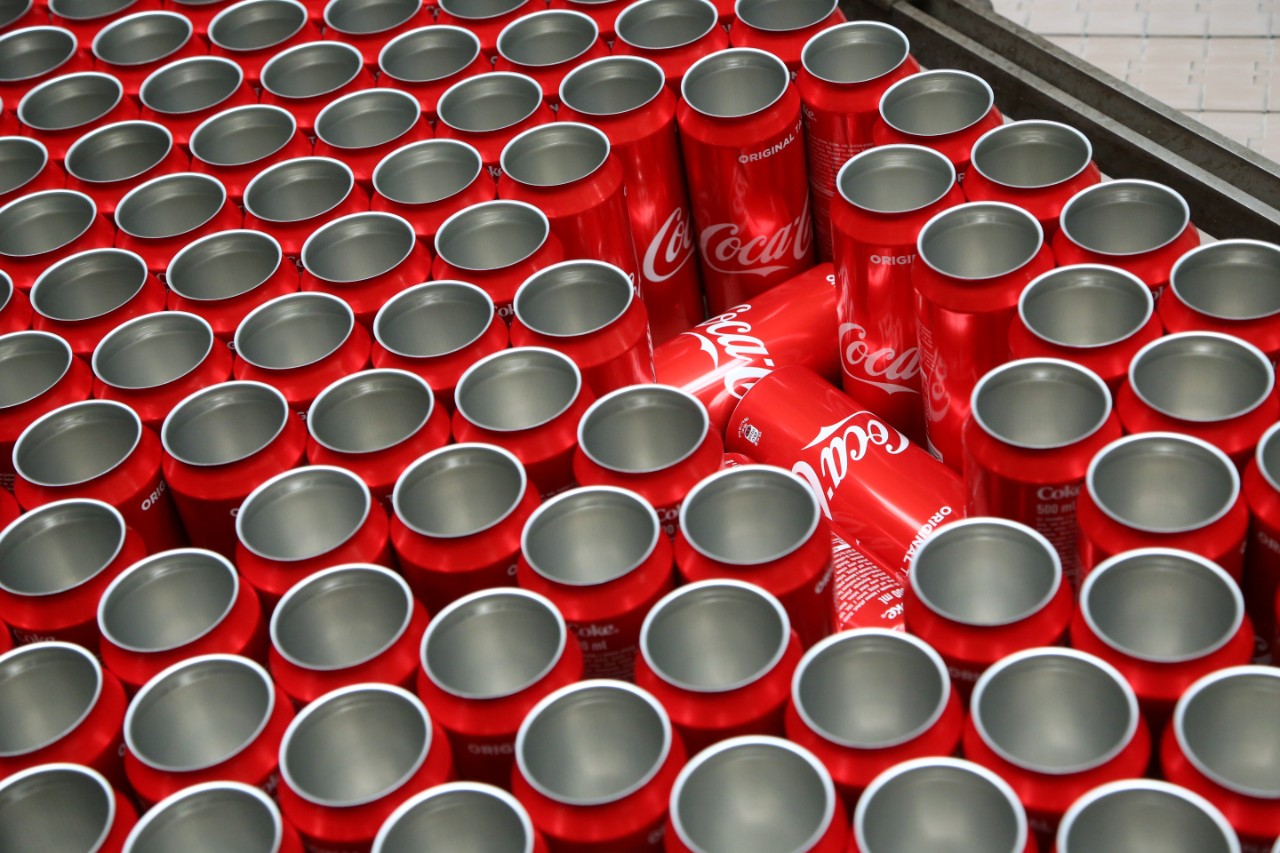
In 2025, we produced 450 million litres of drinks in the Czech Republic. We produced 416 million litres in Prague-Kyje and 34 million litres in Teplice nad Metují. We sold a total of 477 million litres of drinks in our market. We performed well in the sales of new beverage segments. We sold 41.6 million cups of coffee and a record 3.4 million litres of premium alcoholic drinks.
In 2025, we served 41,583 customers.
Our financial results were reflected in a higher net profit after tax and interest, which amounted to CZK 443,081 thousand ). Our turnover rose to CZK 11,527,441 thousand, and total assets amounted to CZK 7,285,793 thousand ). In the year under review, we paid income tax amounting to CZK 147,755 thousand ). That is CZK 13.8 million more than in 2024. Tax revenue in Slovakia amounted to EUR 33,272 (over CZK 800,000). We have once again divided these funds equally amongst our long-standing partners in the non-profit sector – the Slovak Red Cross and the organisation Úsmev ako dar [a smile as a gift].
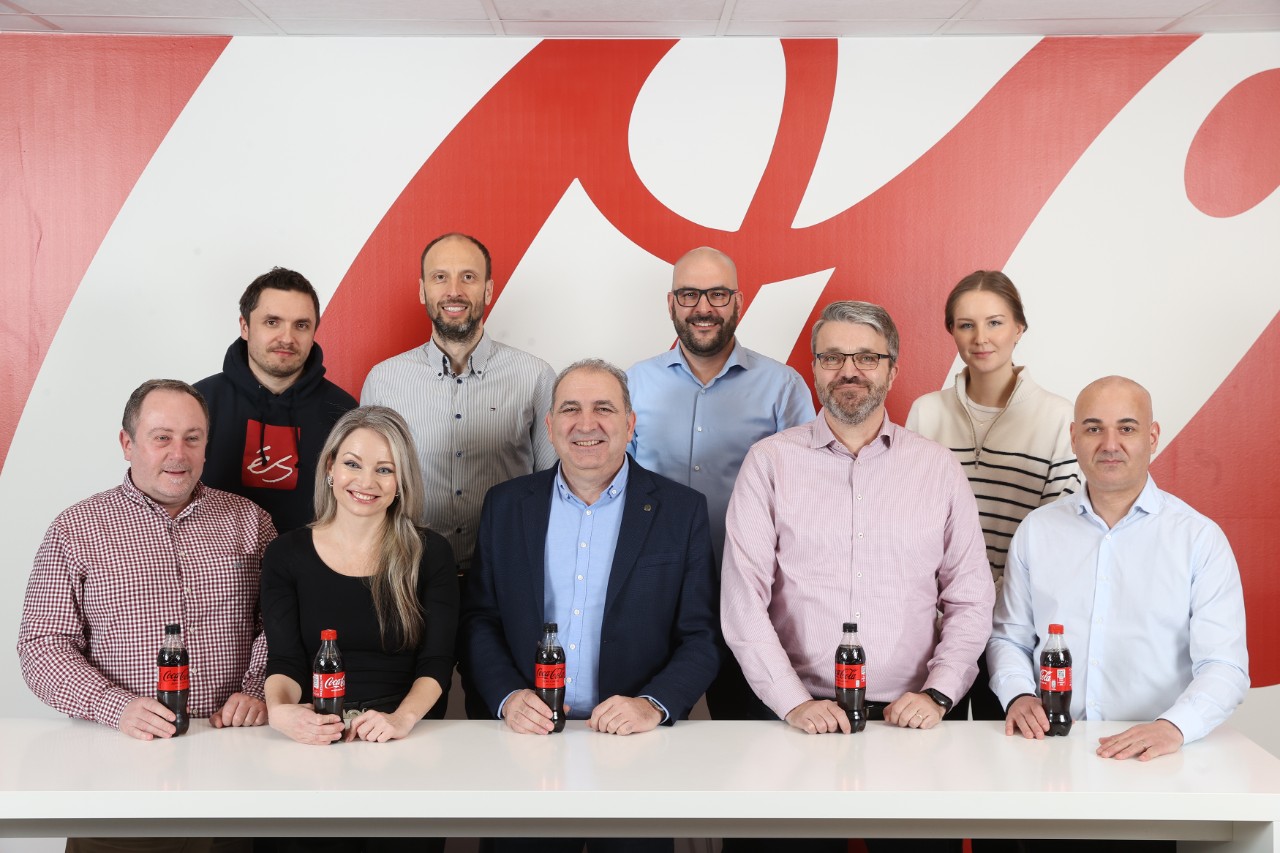
Coca-Cola HBC Czech Republic and Slovakia is a limited liability company with its registered office in Prague – Českobrodská 1329. In Slovakia, it operates through a branch office located at Kalinčiakova 33, Bratislava. The Company’s Chief Executive Officer and sole managing director is Dimo Dimov, who also heads the Slovak branch. Other members of the management acting, for example, in contractual relations act on the basis of a power of attorney. The Company’s top management is represented by an eleven-member team – the so-called Senior Leadership Team (SLT) consisting of the directors of each department. This team also includes the Chief Executive Officer and one project role. Michal Dyttert was responsible for sustainability at SLT in 2025.
Coca-Cola HBC Czech Republic and Slovakia is part of the Coca-Cola HBC AG group, which is headquartered in Zug, Switzerland. The parent company’s shares are listed on the stock exchanges in London and Athens. In 2025, a dividend of EUR 1.03 (CZK 25.75) per share was paid to shareholders.
The ownership structure remains stable: 21% of the shares are held by The Coca-Cola Company, 23% by the founding company KarTess Holding, and the remaining 56% are freely traded shares. Further details are available in our investor centre here.
The local strategy is based on the framework set out by the CCHBC group and is aimed at realising our shared vision. You can find our vision, mission and values on the front page of this Report. We have drawn up our local strategy in collaboration with external experts to ensure that it reflects the specific characteristics of the Czech and Slovak markets, builds on our strong international background and portfolio, and at the same time meets the needs of our customers. A group of around 80 managers – known as the Guiding Coalition – is involved in implementing it; they further develop the individual steps and put them into practice within their teams. We reminded all staff of the strategy at the annual conference and we are keeping them informed of specific steps on an ongoing basis through internal communications. It forms the basis for recognising the exceptional achievements of our staff.
According to an internal survey, 88% of our employees strongly believe in the Company’s strategic priorities.
The identification and management of business risks is ensured through a robust internal ERS system. This tool enables us to identify potential threats in good time that could affect the achievement of our strategic objectives. Furthermore, we tailor our approach to specific risks so that we can turn them into competitive advantages. The system forms part of the corporate resilience management framework, for which the Chief Risk Officer is responsible at group level – he works directly with local colleagues in the Czech Republic and Slovakia. Each month, the identified risks are presented to the Senior Leadership Team and recorded in a shared register, where they are monitored and addressed according to their assigned priority level. Twice a year, the team responsible for corporate resilience attends an international conference focusing on major trends and key risks. The ERS system is complemented by the IMCR (Incident Management and Crisis Resolution) programme, which sets out the rules for anticipating, monitoring and managing crisis situations, including communication in such situations. Extensive training sessions for the local team on the IMCR system took place in May.
In 2025, we dealt with two incidents as part of the IMCR. One concerned the death of an employee of one of our contractors and the other concerned smoke in one of the electrical cabinets. We expressed our full support for our colleagues at the partner company, and following an investigation, it was concluded that the accident was not linked to our processes. A potential fire in the electrical cabinet was successfully prevented thanks to the readiness of the fire-fighting systems. As a preventive measure regular meetings of the IMCR team were held and databases of potential situations that could result in an IMCR incident were monitored.
From a risk management perspective, we also monitor the impact of environmental and social aspects on our business. Among the most important risks monitored within the framework of the integrated system are: crises related to employees and management of the Company, security, availability of inputs for production and logistics, legislative risks and regulations, behaviour of competitors in the market, quality control and others. We monitor the most significant economic trends – which require a response in the form of adjustments to our Company-wide strategy – at group level.
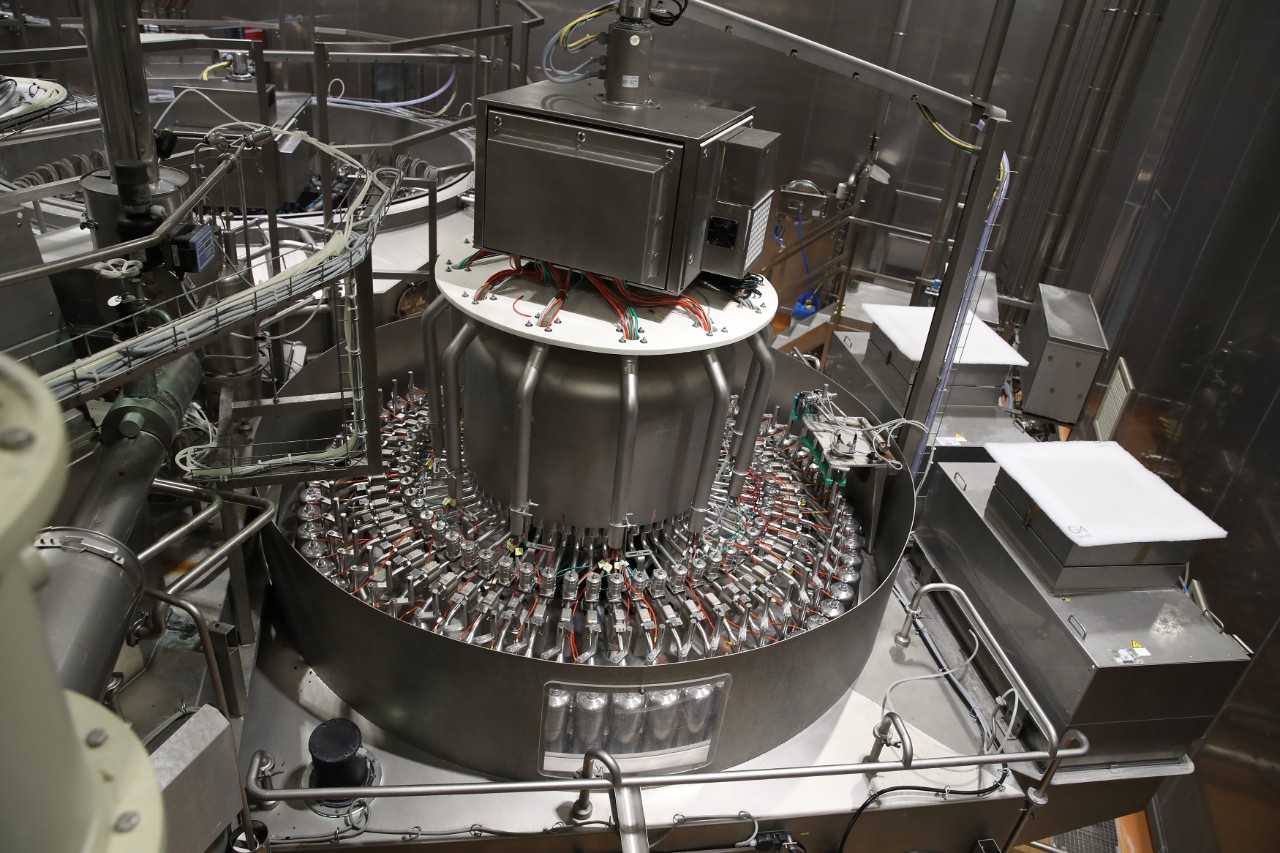
Between 2017 and 2025, we invested approximately 3 billion crowns in site development and innovation. In 2025, the most significant investments were directed both towards improving the quality and efficiency of production and logistics, and towards sustainability. In Prague-Kyje, we purchased a new tunnel pasteuriser for CZK 57 million, modernised the glass-bottle filling line for CZK 102.4 million, and expanded our secondary storage facilities for CZK 11.1 million. In Teplice nad Metují, we have invested CZK 4.8 million in a new fire detection system and fire-resistant walls.
In 2025, we once again refreshed our portfolio and launched a range of successful product innovations in response to the latest consumer trends, as well as products reminiscent of our most successful innovations of all time, such as Coca-Cola Cherry.
The Fanta brand came out with several refreshing new flavors, Apple Lychee, as well as limited editions Tutti Frutti and Chucky, which were associated with the summer's hit movie. Sprite has expanded its product range to include a Zero variant, and the Kinley brand wasn’t far behind either, with its Purple flavour, designed not just for lovers of mixed drinks.
The Monster energy drink has also introduced a whole range of new product innovations, including the Ultra range with flavours such as Peachy Keen and Strawberry Dreams, the Zero versions of the popular Monster Valentino Rossi and the new Monster Lando Norris, or the new Rio Punch flavour.
Innovations have also taken place in drinks designed to promote hydration. For example, the new flavour of premium water Römerquelle – Blackberry Lime – for HoReCa customers, Powerade Mountain Blast Zero and Blackcurrant Zero for sports enthusiasts, or the new variants of functional water VitaminWater. Last but not least, we have expanded the Cappy brand portfolio with Lemonade Berry and a new orange nectar.
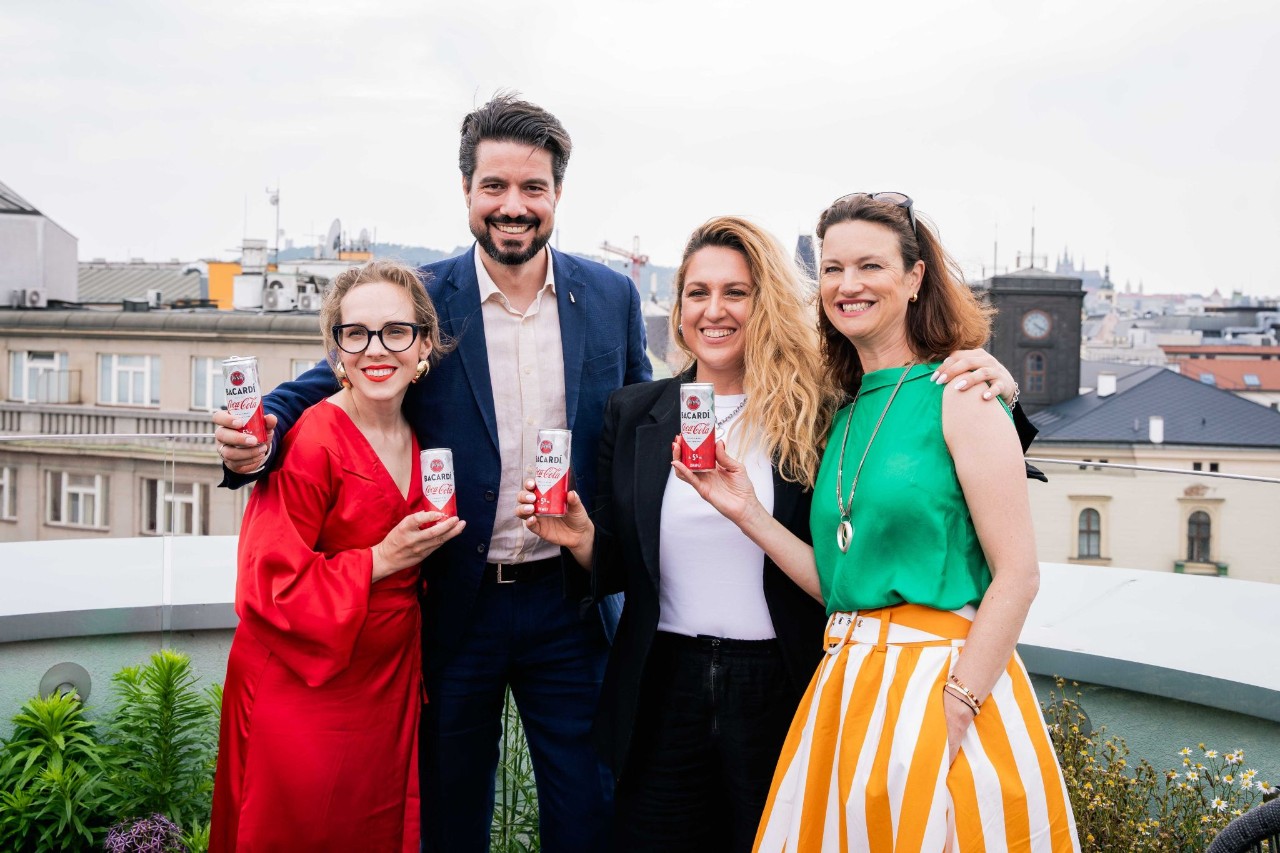
A new mixed drink, Bacardi & Coke , in a can has also found its way into our portfolio.
Our innovations are in line with our 24/7 approach. We aim to be a comprehensive drinks company, focusing on delivering greater value to the customer and clearly targeted product launches.
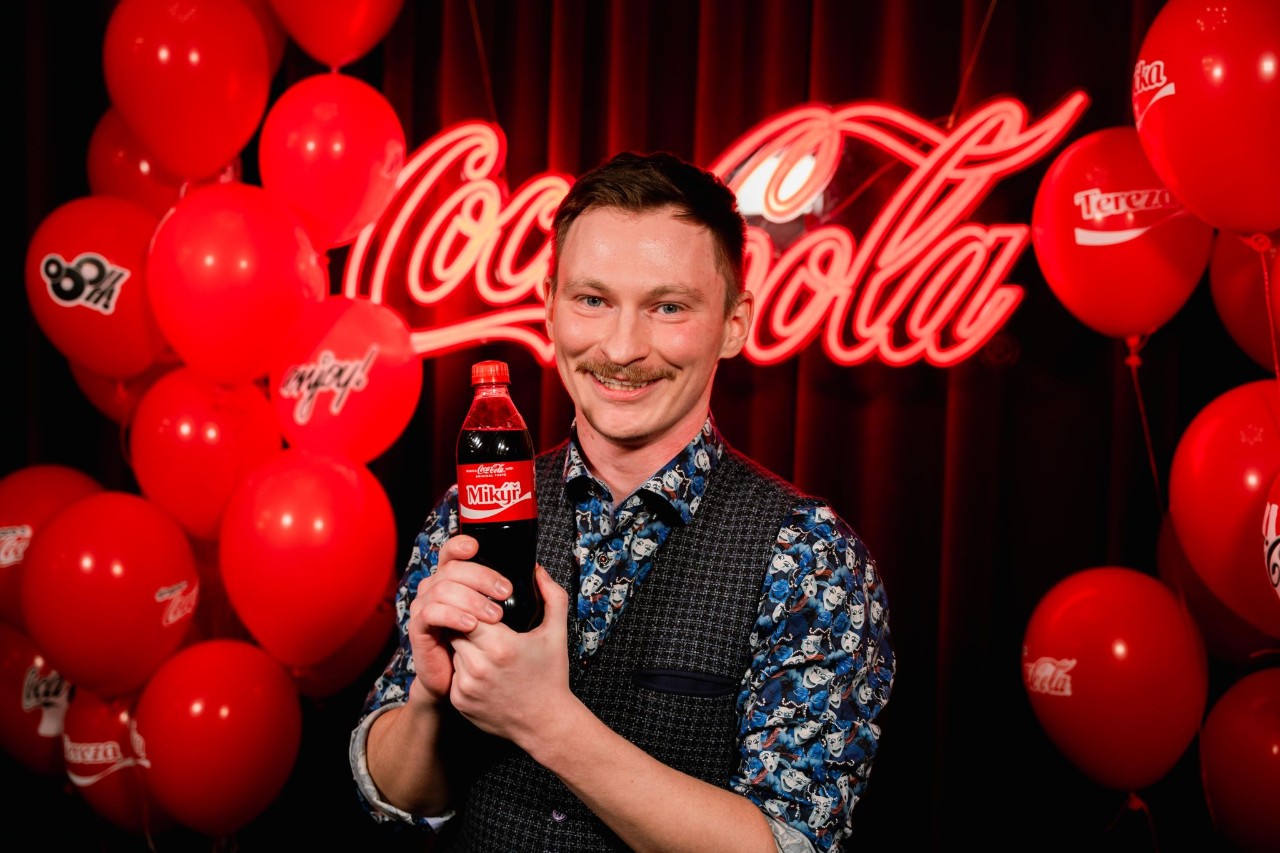
In 2025, Coca-Cola built on one of its most successful campaigns, ‘Share a Coca-Cola’, and launched a revamped version reflecting the contemporary lifestyle of the younger generation. As well as personalised bottles and cans featuring more than 140 names and nicknames, the campaign focused on promoting genuine human connections and face-to-face meetings at a time when much of our communication takes place on-line. New digital features, including The Memory Maker tool for sharing shared memories, complemented the traditional concept and offered a fresh perspective on the importance of friendship, sharing and authentic real-world experiences.
In addition to the established packaging innovations mentioned above, which we summarised in the section on the environment, we have focused primarily on reducing weight and minimising the amount of secondary and tertiary packaging, such as plastic film. In Prague-Kyje, we successfully began bottling part of our portfolio in bottles made from 100% recycled PET at the end of the year. Following the production run in Teplice nad Metují, we are now able to manufacture this variant at our main production plant in Prague-Kyje as well. Overall, we used a record average of 42.7% rPET in our own production.
A focus on quality remains one of our key principles. The drinks undergo laboratory checks and sensory testing to ensure that only those of the highest quality reach the consumer. Quality is ensured by water treatment systems, regular sanitisation of production lines and the certification of all raw material suppliers. In 2025, we dealt with only 34 consumer complaints requiring investigationin the Czech Republic and Slovakia.
We have once again turned our attention to our processes. The Oxygen project, which simplifies and streamlines our work processes, continued in 2025. Among other things, the project focused on the Coke Solution 2.0 tool, which streamlined the use of promotional marketing materials. For example, we created an updated register of shared priorities for management; we trained our automated warehouse to handle mixed half-pallets; we implemented an efficient division of labour for our sales representatives; and we finalised the implementation of e-signatures for all types of contracts.
Low-calorie and zero-calorie drinks hold a solid place in our strategy. In the carbonated soft drinks sector, low-calorie variants such as Coca-Cola Zero already accounted for 19.1% of the volume of drinks sold. Once again, these variants were among the most significant innovations we have launched on the market.
In the Czech Republic, carbonated soft drinks contained an average of 30.6 kcal per 100 ml. In Slovakia, it was 32.3 kcal per 100 ml.
We have long paid particular attention to the labelling of our products’ ingredients. In addition to the legal requirements, we have been using the Evolved Nutrition Labelling system, known as the ‘nutritional traffic lights’, since 2018. These provide consumers with a simple and quick overview of a product’s nutritional values. In this respect, we are still one of the few exceptions on both the Czech and Slovak markets. Once again, we have supported the Stop Obesity organisation’s educational event by providing drinks.
In Slovakia and the Czech Republic, we are part of the Drink Wisely forum and actively communicate recommended alcohol consumption behaviour and groups for whom drinking is not appropriate.
The Company’s Code of Conduct is available to all employees on the Company’s intranet and in printed form at selected locations.
It can be viewed here. All new staff members receive training on compliance with the policy on their first day of work, and this training is regularly refreshed. In addition, an internal communication campaign focusing on current topics – Ethics Week – is organised on a regular basis. This year’s event focused on the ethical use of artificial intelligence. In addition, every year we provide training in competition law and anti-corruption for 100 per cent of staff in so-called high-risk roles.
Employees can report breaches of the Code of Ethics via an online form on the dedicated portal, directly to the Legal Department or the People & Culture Department, or anonymously via the Speak-up! helpline. All suggestions are carefully reviewed. In 2025, there were 8 of them.
In 2025, we recorded two court proceedings (litigation in which we were the defendant) in the Czech Republic, which were in the pending proceeding sstage at the end of the year. No ongoing passive legal proceedings have been recorded in Slovakia.
We ensure the protection of personal data in accordance with the GDPR and have a standard operating procedure in place in the event of a data breach. Employees can easily access information about the processing of their personal data on the intranet. In 2025, we did not record any incidents involving a breach of personal data protection. Compliance with the GDPR is part of the regular training programme.
We adopt a responsible approach to marketing in line with the commitments of the European beverage association UNESDA, of which we are a member. We are committed to not targeting children under the age of 13 in our marketing, and we also avoid messages that might encourage them to persuade their parents to buy our products. For energy drinks, we are raising the age limit for this rule to 18.
We do not serve sweetened fizzy drinks, iced teas or energy drinks in primary and secondary schools. The water coolers in these schools feature neutral graphics with no advertising and are used solely to encourage pupils to drink enough water. We also strictly adhere to the principles of responsible marketing when promoting our premium spirits brands.
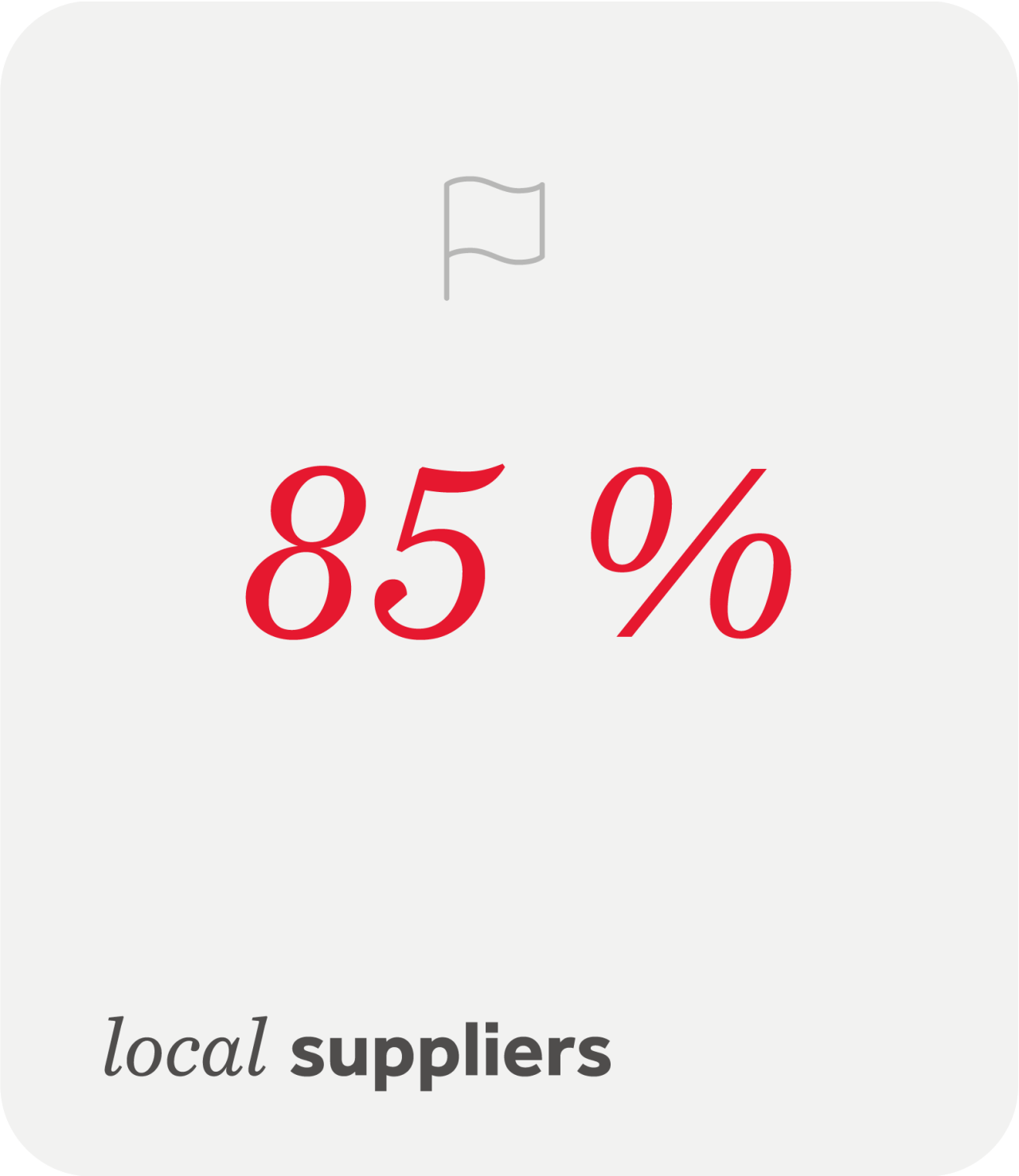
During the year under review, we worked with a total of 1,170 suppliers, of whom 813 were from the Czech Republic, 181 from Slovakia and 176 from abroad. The proportion of local partners therefore stood at 85 %. This reflects our commitment to building a domestic supply chain.
Key suppliers of ingredients – such as food-grade gases (CO₂, N₂) and sweeteners (sugar, dextrose, HFCS – high-fructose corn syrup) – undergo an approval process by brand owners, which is specific to particular plants and products. This is subject to compliance with the technical specifications set out in the KORE quality system and the granting of a LoA (Letter of Authorisation). Ingredient suppliers must have FSSC 22000, ISO 14001, GMP certification.
The procurement of packaging materials is carried out in accordance with the procurement policy defined at Group level. Packaging is divided into primary and secondary. Suppliers of primary packaging must comply with KORE’s requirements and hold authorisation from the brand owner and a Letter of Authorisation (LoA), including FSSC 22000, GMP and ISO 14001. Suppliers are selected on the basis of tenders, which are carried out every 3 years. Suppliers are regularly assessed against the following selection criteria: quality, price, delivery terms and sustainability.
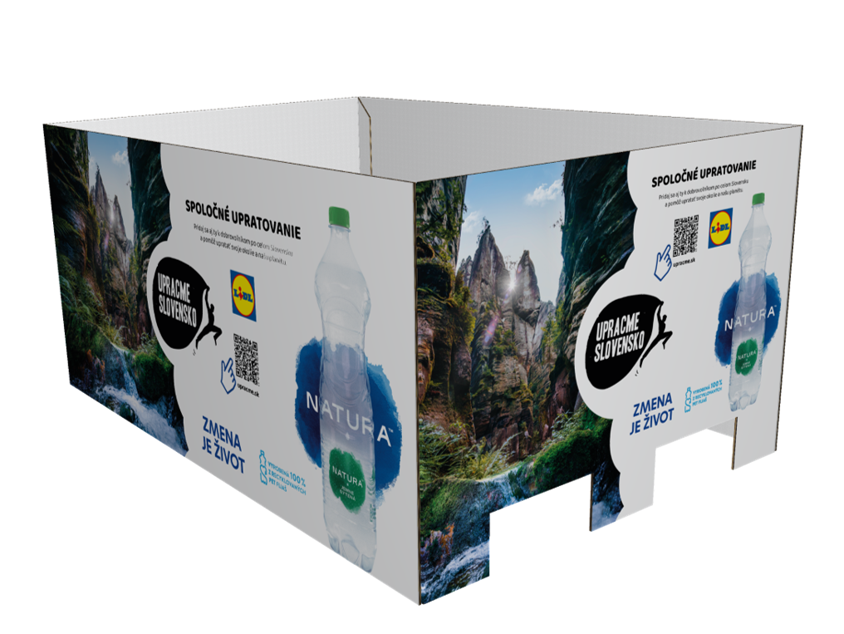
In 2025, we continued to actively engage with our customers and seek synergies in our sustainability strategies, so that we could collaborate on selected initiatives and thereby multiply our impact. In Slovakia, we have been working with Lidl, with whom we are partners in the Let’s Clean Up Slovakia] initiative. We jointly labelled the secondary pallet displays of our Natura drinks with information panels that directed shoppers to the Let’s Clean Up Slovakia website and encouraged them to get involved in community clean-up events. For 2026, we have arranged a partnership with Tesco, building on our joint support for the Czech Red Cross.
Our team of sales representatives, who are in daily contact with our customers, have the greatest influence on the customer experience. We have once again measured our customers’ willingness to recommend our Company using the NPS (Net Promoter Score) metric. This figure stood at 69 per cent, based on responses from 3,9 thousand customers. This represents a year-on-year increase of 11 percentage points. Among the most common suggestions for improvement from customers were comments on product pricing. Customer support and the Company’s willingness to listen to customers’ needs were rated positively.
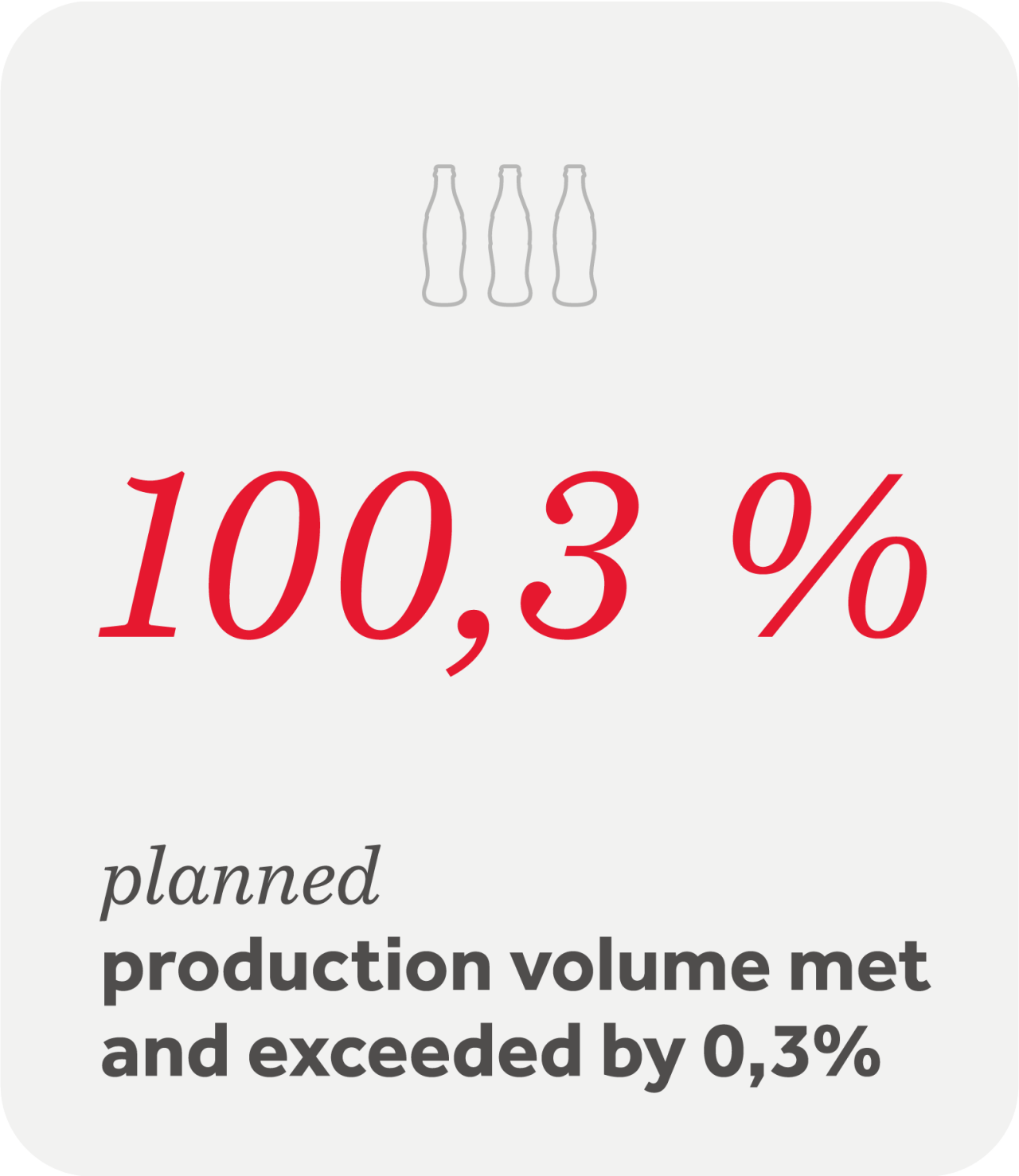
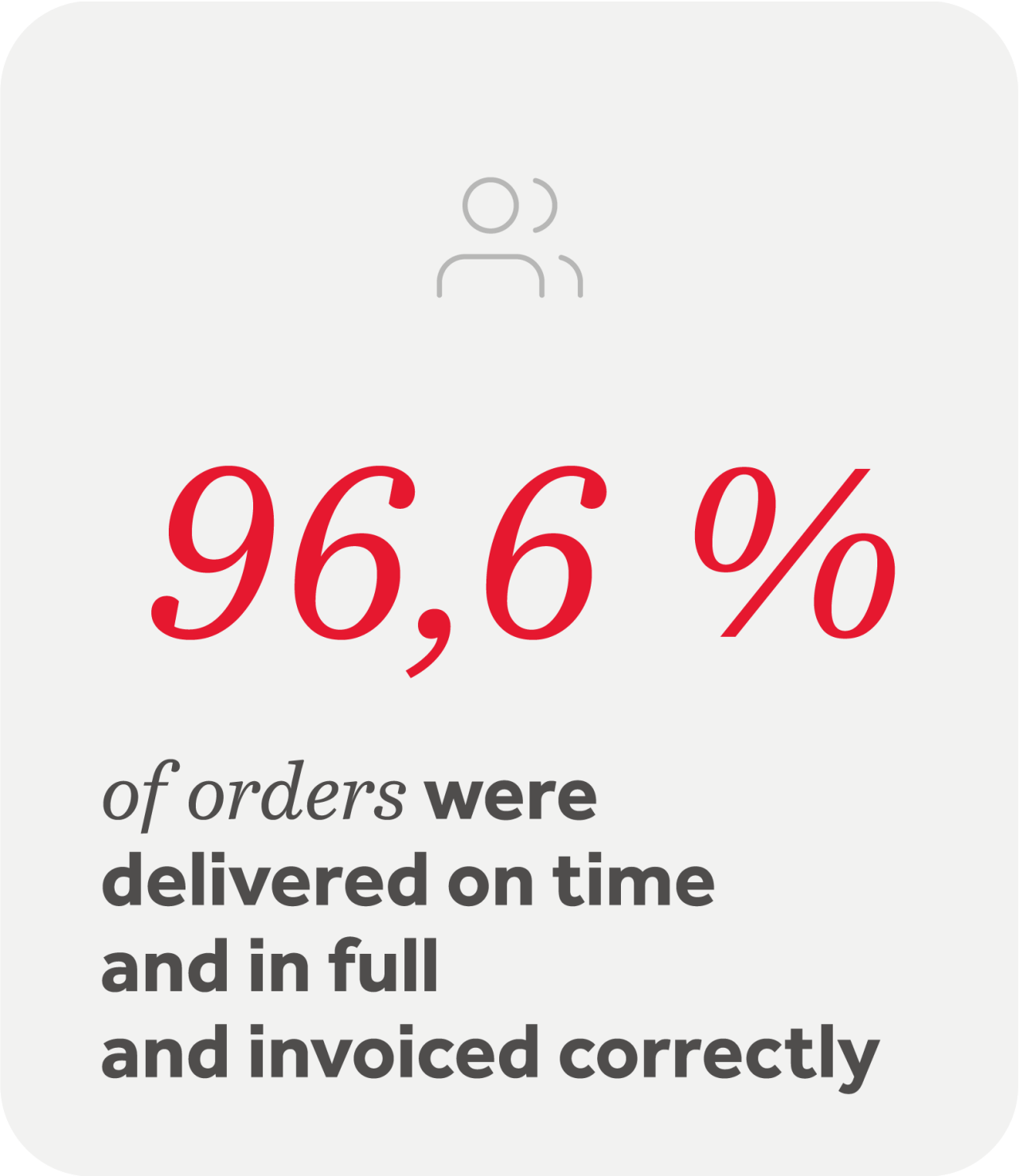
We monitor the service levels of our customer service centre using the Service Level indicator, which reached 85.89% in 2025. The service level indicates the proportion of calls answered within 20 seconds. DIFOTAI’s internal supply chain indicator, which tracks deliveries that are both correct and on time as well as correctly invoiced, stood at 96.6 per cent. We exceeded our planned production volume by 100.3 per cent, and the accuracy of our sales forecasts stood at 67.1 per cent.
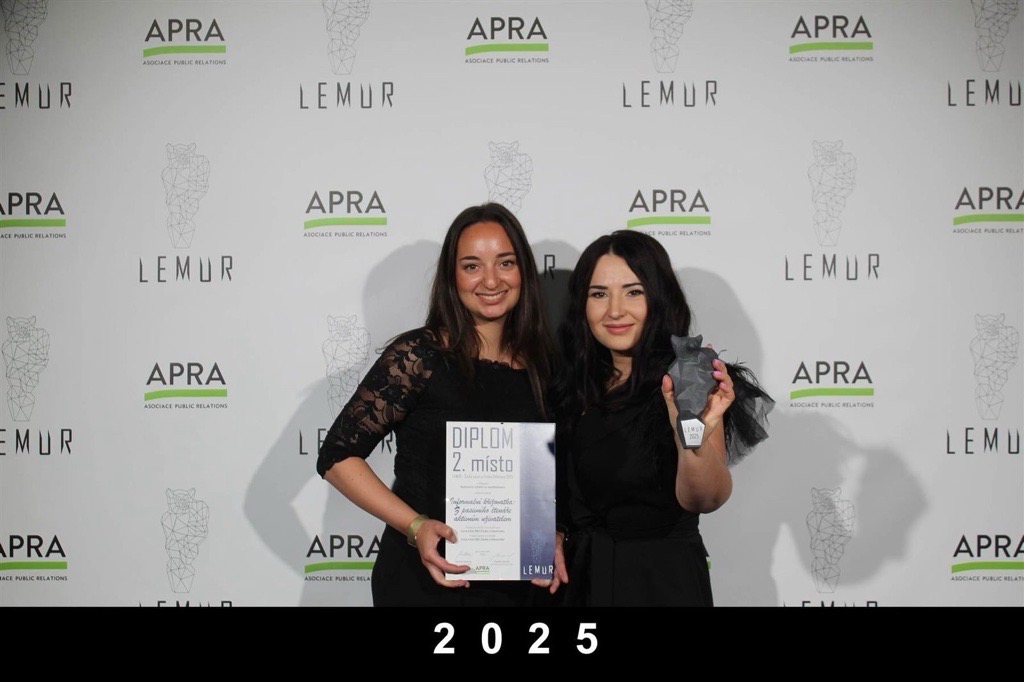
Internal communication connects staff across sites and departments and is a strategic tool for us. We use a wide range of channels for this – from email, in-house TV, the intranet and noticeboards to corporate events, face-to-face meetings and a private Facebook group. In 2024, the intranet was revamped as Intranet Refresh. When combined with the internal social network Viva Engage , it is designed to turn passive readers into active contributors. Both the engagement rate and the average time spent on the intranet continued to rise throughout the year. The average time taken to load the intranet has increased by hundreds of per cent compared with the previous solution. We shared our work on developing content and utilising the intranet across several forums, and we received the Lemur and Golden Semicolon awards for this solution.
We have organised the Company-wide VOX meeting – where management regularly shares key information on the Company’s strategy, results and plans – in a hybrid format on two occasions. As is now traditional, staff were able to ask questions both in advance and live during the broadcast – either anonymously or by name.
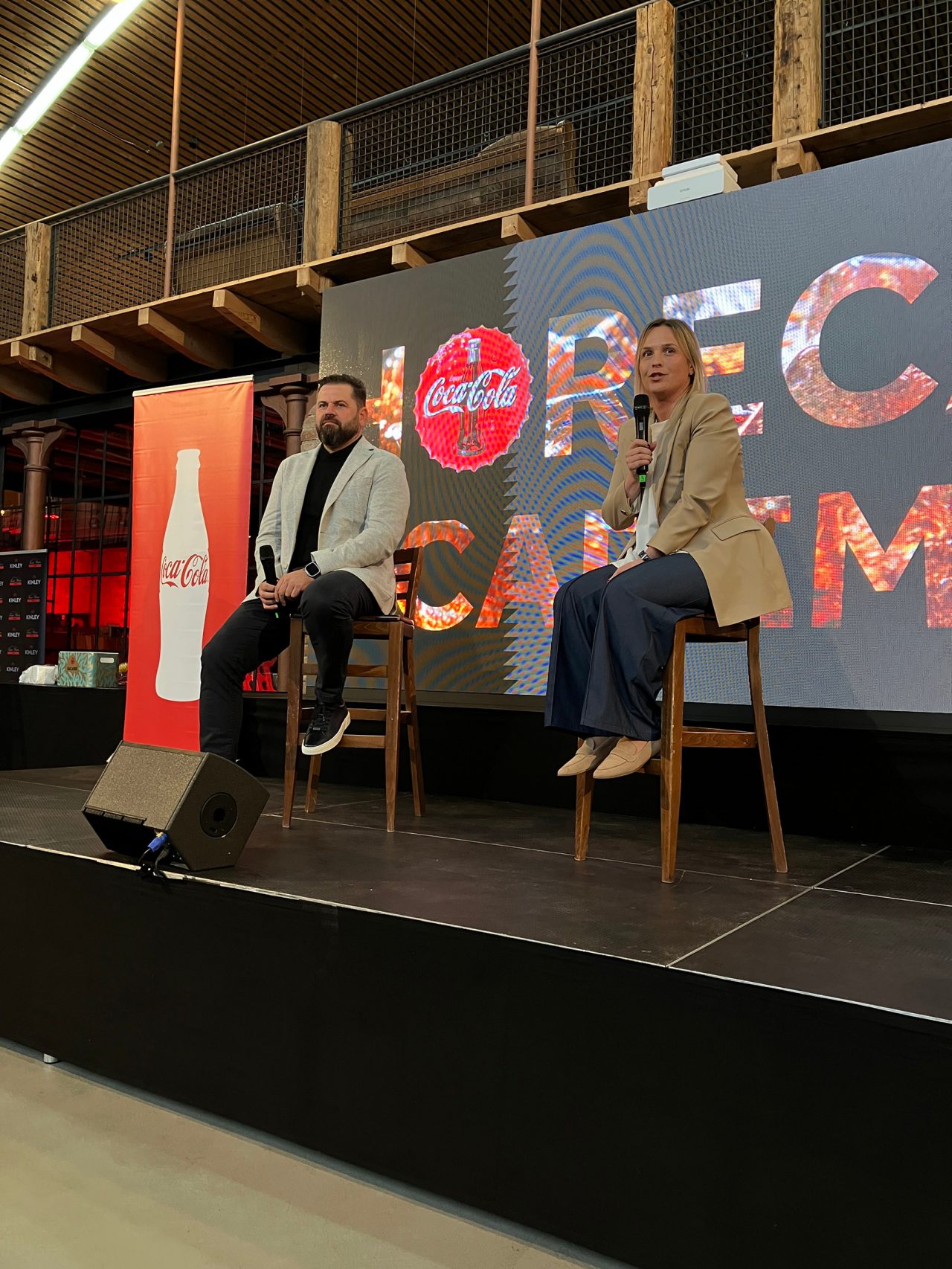
Supply Chain staff were able to communicate directly with senior management through six town hall meetings , and we visited the sales teams at branches in both countries in person during five roadshow stops in the Czech Republic and Slovakia. During the year in question, we also organised the HoReCa Academy event. The Company’s management met regularly with representatives of the works council.
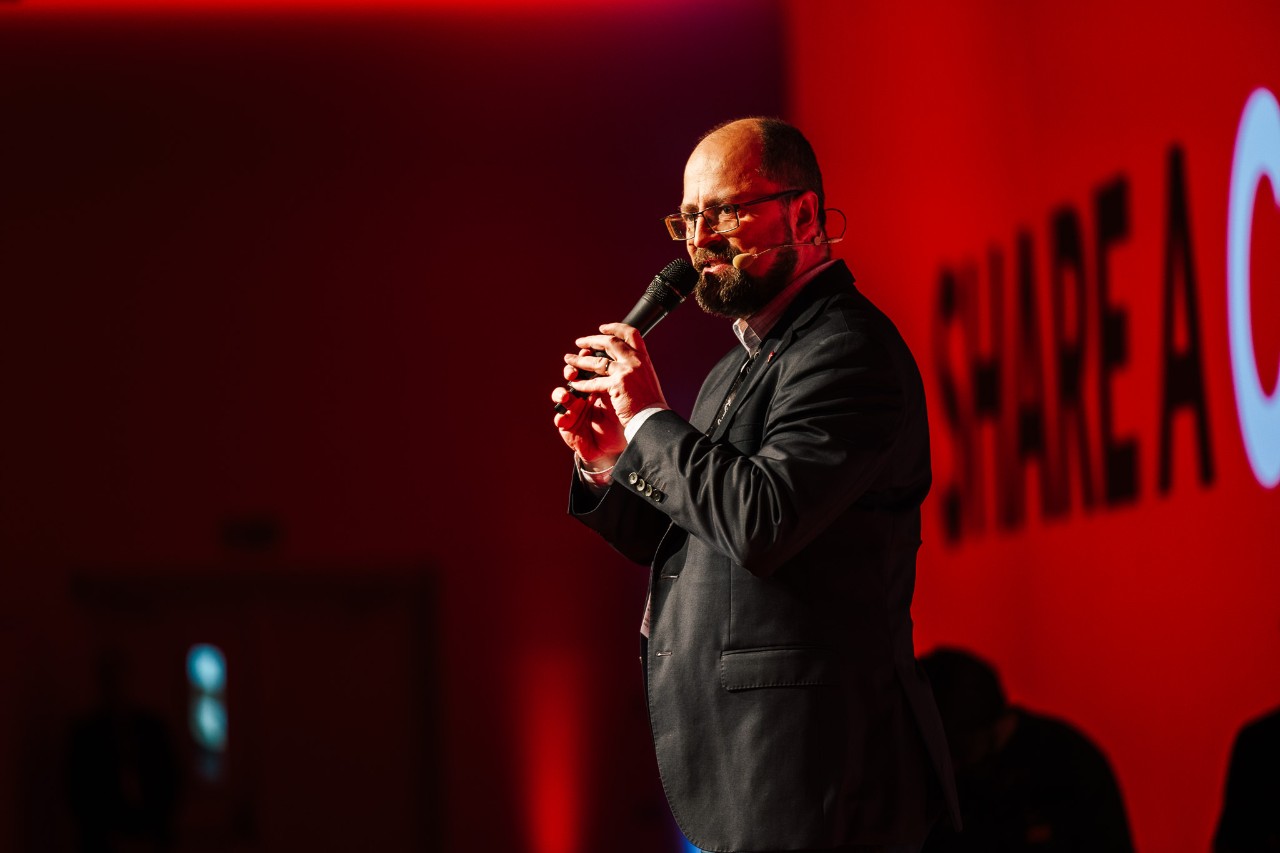
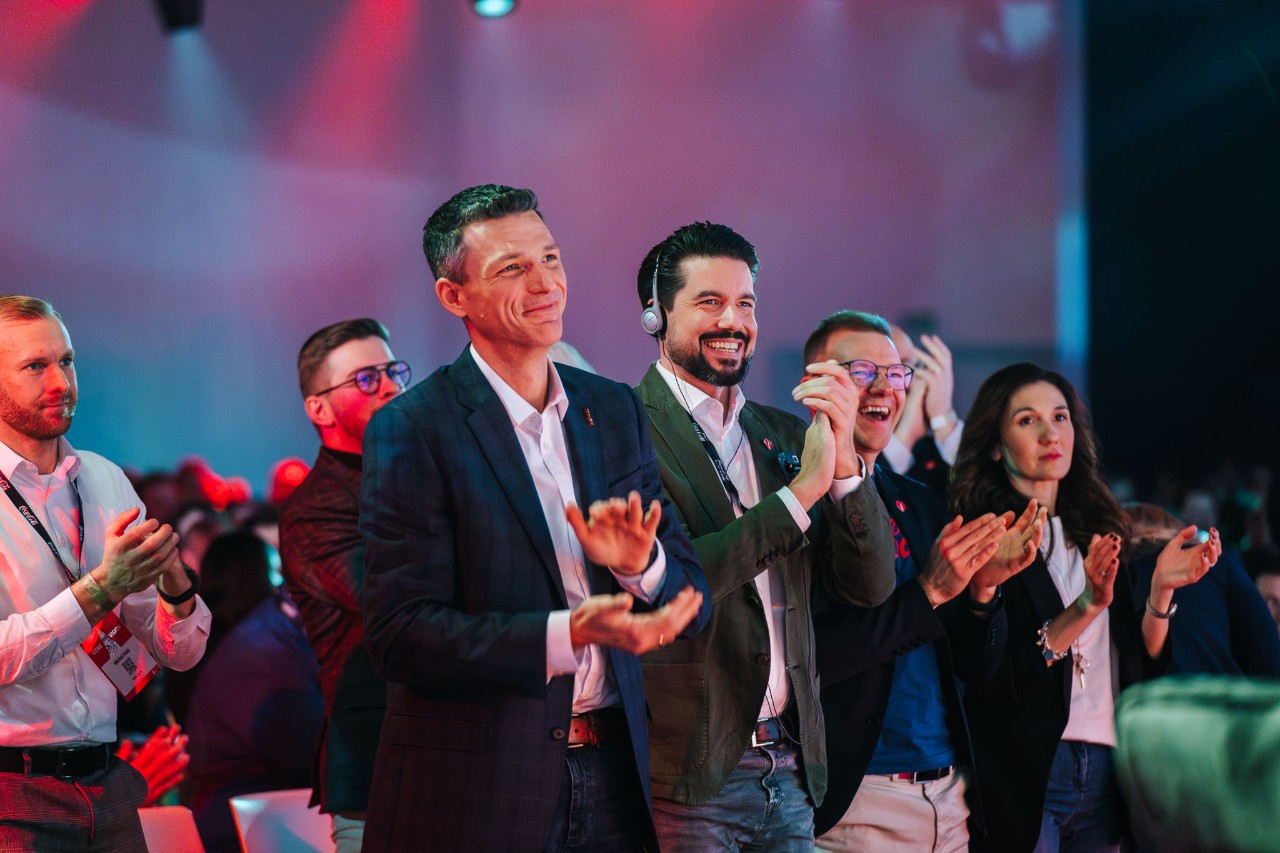
Once again, at the start of the year, we organised our traditional annual conference for all staff. This format of communication serves as a way of expressing our gratitude for the excellent results and, at the same time, provides a forum for outlining plans for the coming period. The Supply Chain department also organised its own conference directly at the plant in Prague-Kyje.
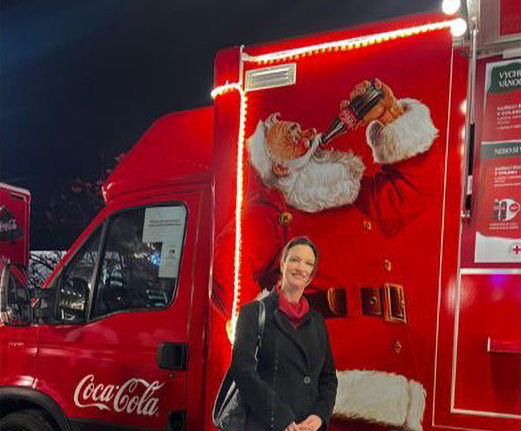
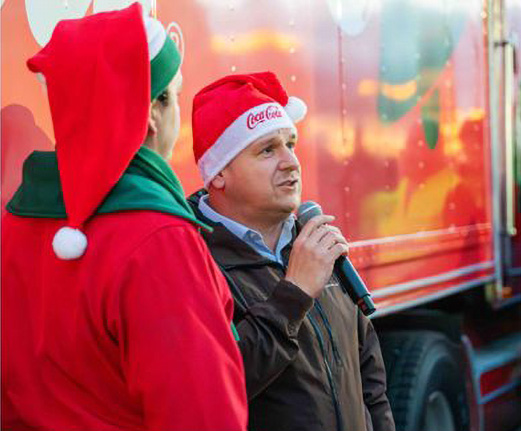
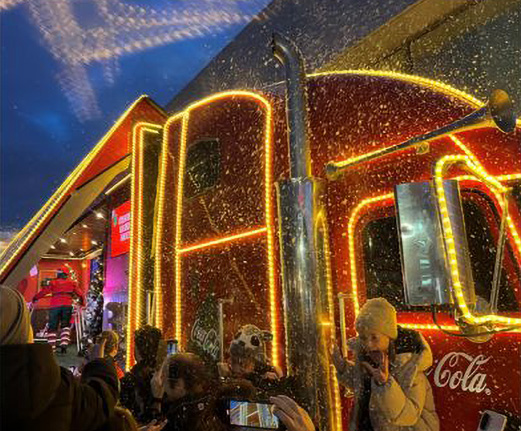
We are in regular contact with the communities around our production sites. We meet regularly with community groups, non-profit organisations and representatives of local authorities. Through this dialogue, we receive direct feedback on activities that affect our neighbours’ daily lives, and we can effectively support their efforts towards sustainable development. In 2025, we were actively involved in the Prague 14 district through the Commission for Sustainable Development and Strategic Planning, on which we were represented. For example, the borough council was directly involved in organising a stop for our Christmas lorry in Černý Most. In Teplice nad Metují, discussions took place directly with the town’s leadership.
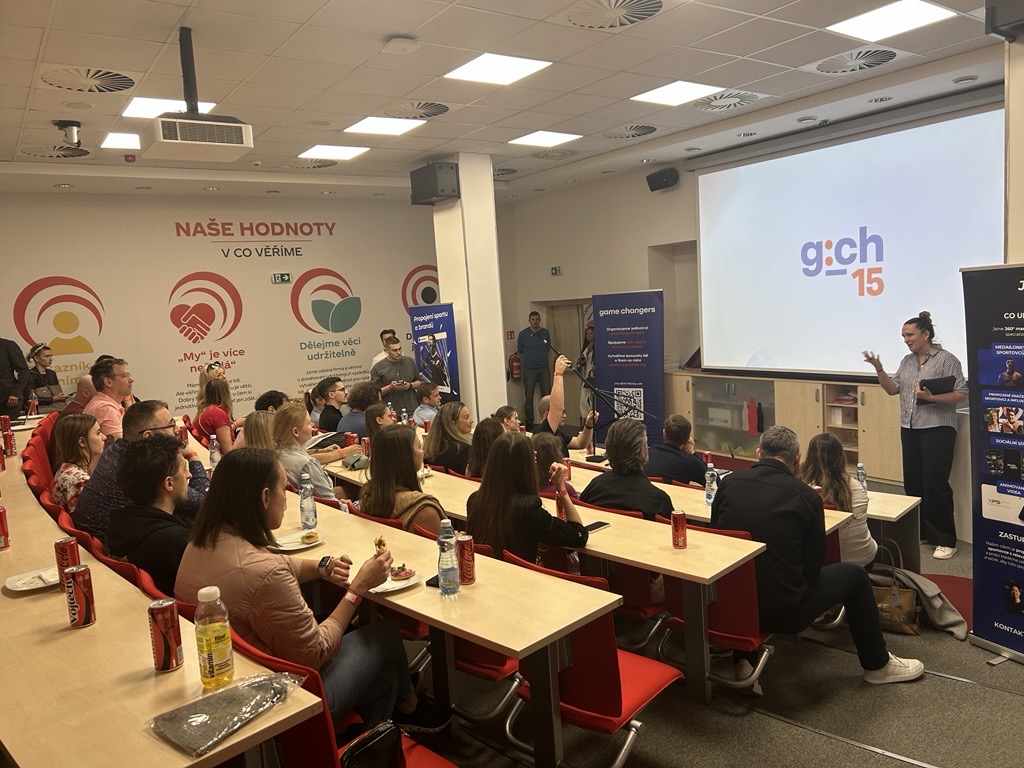
Members of the public can contact us by e-mail at vnejsi-vztahy.cz@cchellenic.com for the Czech Republic and vonkajsievztahy.sk@cchellenic.com pfor Slovakia, or by phone on +420 283 015 801 for the Czech Republic and +421 249 494 944 for Slovakia. Investors and potential investors can contact us at group level by email at investor.relations@cchellenic.com. Our profiles on the social media platforms LinkedIn, YouTube and Facebook are a popular way of communicating with the general public. For 2026, we’re also adding a corporate Instagram account to this mix, which will complement our brand profiles. The Behind the Bottle podcast archive also remains relevant. In 2025, we hosted a stop on the Game Changers series right here on our premises – an inspiring networking event for change-makers, not only in Prague 14.
In 2025, we once again underwent a series of financial audits: a comprehensive external audit by PWC, an internal group audit focusing on selected financial areas, and a series of quarterly internal audits. We successfully completed all of these audits with no findings of violations of the monitored rules. Risks identified during audits are addressed on an ongoing basis by designated staff in order to mitigate obstacles in future periods.
For non-financial reporting, in addition to audits to ISO standards and other external quality and sustainability standards mentioned in the social and environmental pillar sections above , we conduct a number of internal quality audits of the Coca-Cola system. One of the most extensive audits is the so-called GAO (Global Audit Organisation) audit. Our inputs to the group Integrated Annual Report are also audited on a regular basis. It summarises ESG issues at group level and for 2025 can be viewed here.
For internal reporting we use the integrated Power BI system, which provides up-to-date dashboards with the results of both financial and non-financial indicators. In this way the current results can be evaluated regularly and clearly. The Company’s community activities are reported on a monthly basis.
ISO and other compliant standards in this area: